Effective Office Cleaning Techniques for Productivity: Workspace Sanitation Solutions
- Jul 8
- 4 min read
Maintaining a clean and organised workspace is essential for enhancing productivity and ensuring a healthy environment. In commercial settings such as schools, medical centres, and offices, cleanliness directly impacts employee well-being and operational efficiency. I have observed that implementing effective cleaning techniques tailored to specific workspaces can significantly improve focus, reduce absenteeism, and create a professional atmosphere. This article outlines practical workspace sanitation solutions designed to meet the needs of diverse commercial environments in London and surrounding areas.
The Importance of Workspace Sanitation Solutions
Workspace sanitation solutions go beyond simple tidying up. They involve systematic cleaning strategies that address hygiene, safety, and maintenance. A well-maintained workspace reduces the spread of germs and allergens, which is particularly critical in healthcare and educational settings. Moreover, a clean environment fosters a positive mindset, encouraging employees and visitors to engage more effectively with their tasks.
To achieve this, cleaning routines must be consistent and comprehensive. This includes regular disinfection of high-touch surfaces such as door handles, keyboards, and communal areas. Additionally, waste management and air quality control are integral components of workspace sanitation. By prioritising these areas, organisations can create a safer and more inviting environment.
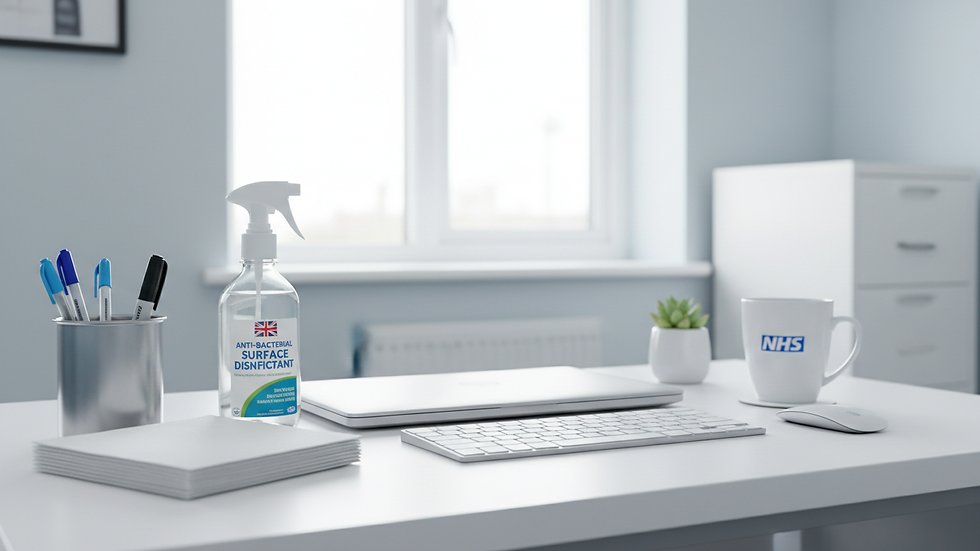
Practical Techniques for Effective Office Cleaning
Implementing effective cleaning techniques requires a structured approach. Here are some key methods I recommend for maintaining a productive workspace:
Scheduled Deep Cleaning
Regular deep cleaning sessions should be scheduled weekly or biweekly. This includes carpet cleaning, window washing, and thorough disinfection of all surfaces. Deep cleaning removes accumulated dust and grime that daily cleaning might miss.
Daily Surface Disinfection
High-touch areas such as light switches, telephones, and shared equipment must be disinfected daily. Using EPA-approved disinfectants ensures the elimination of harmful pathogens.
Clutter Reduction and Organised Storage
Clutter can distract employees and reduce efficiency. Encourage the use of storage solutions like filing cabinets and desk organisers. Clear workspaces promote better concentration and reduce stress.
Waste Disposal and Recycling
Proper waste disposal prevents unpleasant odours and pest infestations. Implement clearly marked recycling bins to encourage environmentally responsible behaviour.
Air Quality Management
Regularly clean air vents and consider using air purifiers to reduce airborne contaminants. Good ventilation is crucial, especially in enclosed office spaces.
Use of Microfibre Cloths and Mops
Microfibre materials are effective at trapping dust and bacteria. They also require less water and cleaning agents, making them an eco-friendly choice.
Employee Involvement
Encourage employees to maintain their personal work areas. Providing sanitising wipes and hand sanitiser stations supports this effort.
By integrating these techniques, organisations can maintain a consistently clean and healthy workspace that supports productivity.
Is $50 an hour good for house cleaning?
While this article focuses on commercial cleaning, it is useful to consider the value of cleaning services in general. The rate of $50 an hour for house cleaning can be considered reasonable depending on the region, scope of work, and level of expertise. In London, commercial cleaning services often charge based on the complexity and frequency of cleaning required.
For commercial settings, pricing structures may differ due to the scale and specialised nature of the work. For example, cleaning a medical centre requires adherence to strict hygiene protocols, which can increase costs. Similarly, schools may require cleaning outside of regular hours to avoid disruption.
When evaluating cleaning services, it is important to consider not only the hourly rate but also the quality, reliability, and customisation of the service. A higher rate may be justified if the provider offers tailored solutions that meet specific sanitation standards.
Tailoring Cleaning Solutions for Different Commercial Sectors
Each commercial sector has unique cleaning requirements. Understanding these needs allows for the development of targeted workspace sanitation solutions.
Schools
Schools require frequent cleaning of classrooms, cafeterias, and restrooms. Special attention should be given to sanitising desks, door handles, and shared equipment to prevent the spread of illnesses among students and staff.
Medical Centres
Medical environments demand rigorous cleaning protocols to maintain sterility. This includes the use of hospital-grade disinfectants and specialised waste disposal methods for biohazard materials.
Offices
Office cleaning focuses on maintaining a tidy and organised environment. Regular dusting, vacuuming, and sanitising of communal areas such as kitchens and meeting rooms are essential.
Other Commercial Sites
Retail spaces, warehouses, and other commercial locations may require customised cleaning schedules based on foot traffic and operational hours.
By adapting cleaning techniques to the specific context, organisations can ensure compliance with health regulations and enhance overall workplace safety.

Implementing a Cleaning Schedule for Maximum Efficiency
A well-planned cleaning schedule is crucial for maintaining workspace sanitation without disrupting daily operations. Here are steps to create an effective cleaning timetable:
Assess Cleaning Needs
Conduct a thorough assessment of the workspace to identify high-traffic areas and surfaces that require frequent cleaning.
Define Cleaning Frequency
Determine how often each area needs cleaning based on usage and risk factors. For example, restrooms may require multiple cleanings per day, while storage rooms might need weekly attention.
Assign Responsibilities
Decide whether cleaning will be handled in-house or outsourced to professional services. Clearly define roles and expectations.
Schedule Cleaning Times
Plan cleaning activities during off-peak hours to minimise disruption. Early mornings, evenings, or weekends are often suitable.
Monitor and Adjust
Regularly review the cleaning schedule and adjust based on feedback and changing needs.
Using digital tools or software can help track cleaning tasks and ensure accountability. Consistency in following the schedule is key to maintaining a productive and hygienic workspace.
Final Thoughts on Maintaining a Productive Workspace
Effective workspace sanitation solutions are fundamental to creating an environment that supports productivity and well-being. By adopting structured cleaning techniques, tailored to the specific needs of schools, medical centres, offices, and other commercial sites, organisations can reduce health risks and foster a positive atmosphere.
Investing in professional office cleaning services ensures that cleaning standards are met consistently and efficiently. This approach not only protects employees and visitors but also enhances the reputation of the organisation.
Maintaining a clean workspace is an ongoing commitment that requires planning, execution, and continuous improvement. By prioritising cleanliness, organisations in London and surrounding areas can build long-term partnerships with trusted cleaning providers and achieve operational excellence.


Comments